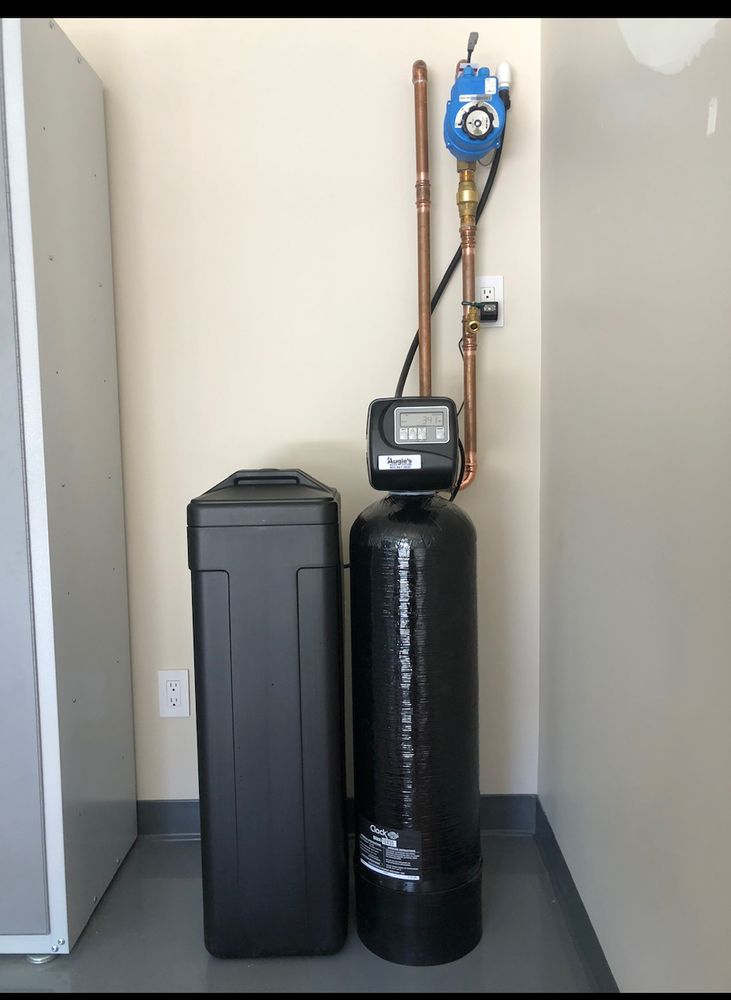
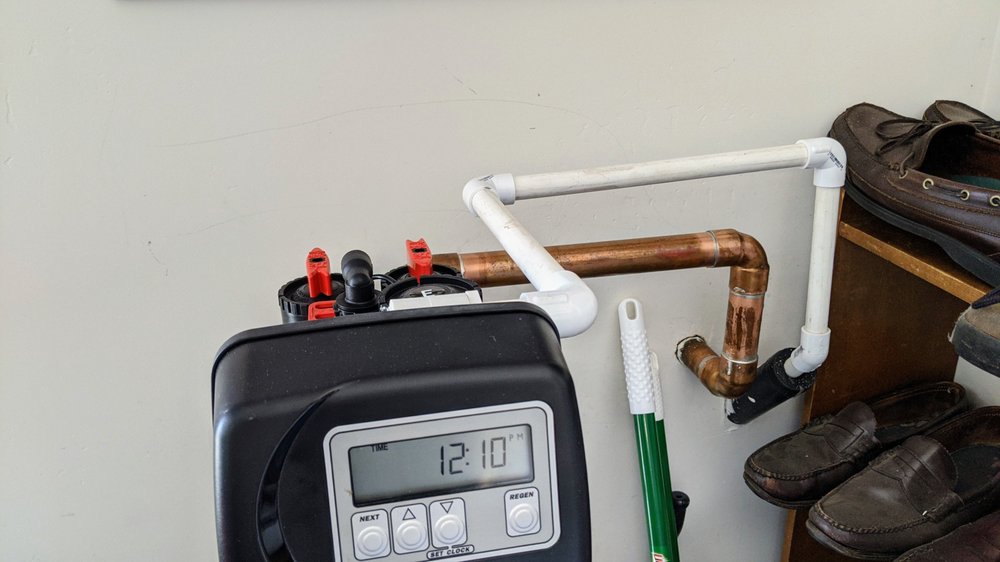
Whole House Water Filtration Systems In Mission Hills CA
Whole House Water Filtration Systems FAQ
What is a whole house water filtration system?
A whole house water filtration system is a system installed in a house that filters all the water coming into the house, ensuring clean and safe water for every tap and appliance.
Why should I install a whole house water filtration system?
Installing a whole house water filtration system provides numerous benefits including improved water quality, removal of contaminants, prevention of plumbing damage, and healthier water for drinking and bathing.
Can a whole house water filtration system remove chlorine?
Yes, a whole house water filtration system can effectively remove chlorine from the water, providing you with chlorine-free water throughout your home.
How often do whole house water filters need to be replaced?
The frequency of replacing whole house water filters depends on the type of filter used and the water quality. Generally, filters need to be replaced every 3 to 6 months for optimal performance.
Are whole house water filtration systems expensive?
The cost of a whole house water filtration system varies depending on the system’s size, features, and water quality needs. While they may have an upfront cost, they can save you money in the long run by reducing the need for bottled water and preventing plumbing issues caused by poor water quality.
End of Whole House Water Filtration Systems FAQ
Whole House Water Filter System
When searching for the best whole house water filter system in Mission Hills, CA, consider the following steps:
1. Identify your water quality: Determine the contaminants present in your water supply. This can be done by obtaining a water quality report from your local water utility or by conducting a water test on your own.
2. Research filtration technologies: Learn about different filtration technologies such as activated carbon, reverse osmosis, and sediment filters. Understand their capabilities and limitations in removing specific contaminants.
3. Determine your filtration needs: Consider the specific contaminants you want to remove from your water supply. Depending on your water quality, you may need a combination of different filtration technologies to address various contaminants.
4. Check certifications: Look for water filters that have been tested and certified by independent organizations such as NSF International or the Water Quality Association. These certifications ensure that the filter system meets specific performance standards.
5. Compare products: Read reviews and compare different whole house water filter systems available in the market. Consider factors such as filtration capacity, flow rate, maintenance requirements, and cost.
6. Seek professional advice: Consult with a water treatment professional or specialist who can provide expert guidance based on your specific needs and water quality.
7. Evaluate installation and maintenance: Consider the ease of installation and ongoing maintenance required for the system. Some filters may require professional installation, while others can be easily DIY installed.
8. Consider warranty and customer support: Check the warranty offered by the manufacturer and ensure they provide reliable customer support in case of any issues or inquiries.
9. Budget: Set a budget range and find a whole house water filter system that provides the best value for your investment. Consider long-term costs such as filter replacement and maintenance.
10. Make your purchase: Once you have gathered all the necessary information, make an informed decision and purchase the whole house water filter system that best suits your needs, budget, and water quality.
Remember, it’s crucial to regularly monitor and maintain your whole house water filter system to ensure it consistently provides clean and safe water for your household.
Water Purification Systems For Home
Water Purification Systems For Home in Mission Hills CA
Water purification systems have become an essential addition to many homes in Mission Hills, CA. These systems play a crucial role in ensuring access to clean and safe drinking water. With various contaminants found in the water supply, it is essential to invest in a reliable water purification system that guarantees the removal of harmful substances.
One popular option is a reverse osmosis system, which uses a semi-permeable membrane to separate impurities from the water. This system effectively removes contaminants such as lead, chlorine, and bacteria, providing fresh and odourless water for drinking and cooking.
Another reliable option is a carbon filter system, which utilizes activated carbon to absorb impurities and improve the taste and odor of the water. This system is particularly effective in removing chlorine, volatile organic compounds (VOCs), and sediment.
When choosing a water purification system for your home in Mission Hills, CA, it is crucial to consider the specific contaminants present in your water supply. Conducting a water test can help determine the most suitable system for your needs.
In conclusion, investing in a water purification system for your home in Mission Hills, CA is a wise decision to ensure the safety and quality of your drinking water. Consider the specific contaminants present and choose a system that best addresses your needs. With a reliable water purification system, you can enjoy clean, great-tasting water for years to come.
Whole Home Water Filtration System
Frequently Asked Questions About Whole Home Water Filtration Systems in Mission Hills, CA
What is a whole home water filtration system?
A whole home water filtration system is a filtration system that is installed at the main water supply point of a house. It filters all the water that enters the home, providing clean and filtered water for all activities such as drinking, cooking, showering, and washing clothes.
Why should I consider installing a whole home water filtration system?
Installing a whole home water filtration system ensures that you and your family have access to clean and filtered water throughout your home. It removes impurities, chemicals, and contaminants from the water supply, resulting in improved taste and odor, as well as better overall water quality.
Best Water Filtration System For Home
Frequently Asked Questions
What is a water filtration system?
A water filtration system is a device used to remove impurities and contaminants from the water, making it safe and clean for consumption.
Why do I need a water filtration system for my home in Mission Hills CA?
A water filtration system ensures that the water you and your family consume is free from harmful chemicals, bacteria, and other pollutants commonly found in tap water.
Which is the best water filtration system for home use?
There are several top-rated water filtration systems available for home use. It is recommended to choose one that suits your specific needs and budget. Factors to consider include the type of contaminants you want to remove, the filtration technology employed, maintenance requirements, and cost.
About Wellness Water Filtration Systems
FAQs About Wellness Water Filtration Systems in Mission Hills, CA
What is the purpose of a water filtration system?
A water filtration system is designed to remove impurities and contaminants from water, making it safer and healthier to drink.
What are the benefits of using a water filtration system?
Using a water filtration system ensures that the water you consume is free from harmful substances, such as bacteria, chemicals, and heavy metals. It improves the taste and odor of the water, and also reduces the risk of certain waterborne diseases.
How does a water filtration system work?
Water filtration systems use various techniques to purify water, including activated carbon filtration, reverse osmosis, and UV disinfection. These methods target different types of contaminants and impurities to ensure safe and clean drinking water.
Are water filtration systems expensive?
The cost of a water filtration system can vary depending on the type and quality of the system. While some systems may be more expensive upfront, they can save money in the long run by eliminating the need to buy bottled water and reducing potential health costs associated with consuming contaminated water.
How often do water filters need to be replaced?
The frequency of filter replacements depends on the specific filtration system and the amount of water being filtered. Generally, it is recommended to replace filters every 3-6 months or according to the manufacturer’s instructions.
Can a water filtration system remove all contaminants?
Water filtration systems can effectively remove many contaminants, including bacteria, viruses, chemicals, and heavy metals. However, it is important to choose a system that is suitable for the specific contaminants you want to eliminate. Some contaminants may require additional treatment methods.
Do water filtration systems waste water?
Some water filtration systems, such as reverse osmosis, can produce wastewater as a byproduct. However, newer models are designed to minimize water waste by using more efficient processes. It is always a good idea to choose a system that is water-efficient.
Are water filtration systems difficult to install?
The installation process for water filtration systems can vary depending on the type and complexity of the system. Some systems can be easily installed by homeowners, while others may require professional assistance. It is recommended to follow the manufacturer’s instructions or seek expert help if needed.
Can I install a water filtration system myself?
Yes, some water filtration systems are designed for DIY installation. However, it is important to carefully read the installation instructions and ensure that you have the necessary skills and tools to complete the installation safely and correctly.
Do water filtration systems require regular maintenance?
Most water filtration systems require regular maintenance to ensure optimal performance. This may include replacing filters, cleaning components, and sanitizing the system periodically. It is important to consult the manufacturer’s guidelines for specific maintenance requirements.
Can water filtration systems be used in commercial settings?
Yes, water filtration systems are widely used in commercial settings, such as restaurants, hotels, offices, and healthcare facilities. They provide a reliable source of clean water for drinking, cooking, and other applications.
Are water filtration systems suitable for well water?
Water filtration systems can be customized to address specific issues commonly found in well water, such as bacteria, sediment, iron, or sulfur. It is recommended to have a water analysis done to identify the contaminants present and select a filtration system that can effectively treat them.
Can a water filtration system improve the taste of water?
Yes, one of the benefits of using a water filtration system is that it can significantly improve the taste and odor of water. By removing contaminants and impurities, the water becomes cleaner and fresher, enhancing its overall taste.
Are water filtration systems environmentally friendly?
Water filtration systems can contribute to a more sustainable and eco-friendly lifestyle. By reducing the consumption of bottled water and minimizing wastewater production, these systems help conserve natural resources and reduce plastic waste.
Can a water filtration system remove chlorine?
Yes, many water filtration systems are designed to remove chlorine from water. Chlorine is commonly added to tap water as a disinfectant, but it can affect the taste and odor. Filtration technologies like activated carbon or reverse osmosis can effectively remove chlorine.
Do water filtration systems require electricity?
The power requirements of water filtration systems depend on the specific type and features of the system. Some systems, such as activated carbon filters, do not require electricity. However, others like reverse osmosis systems may need electricity for their operation, especially if they include additional features like UV disinfection.
Can a water filtration system remove lead?
Yes, water filtration systems can effectively remove lead from water. Systems that use activated carbon filters or reverse osmosis are particularly effective in reducing lead levels. It is important to choose a system that is certified to remove lead and regularly test the water to ensure its safety.
Do water filtration systems remove minerals from water?
Certain water filtration systems can remove minerals from the water, depending on the specific filtration technology used. For example, reverse osmosis systems are effective at removing minerals, while activated carbon filters may retain beneficial minerals to some extent.
Can a water filtration system be installed under the sink?
Yes, under-sink water filtration systems are common and easily installed. These systems connect directly to the existing plumbing and provide filtered water through a separate faucet, usually mounted on the sink or countertop.
Do water filtration systems require regular filter replacements?
Yes, most water filtration systems require regular filter replacements to maintain their effectiveness. Over time, filters can become saturated with impurities and lose their ability to effectively purify the water. Regular filter replacements help ensure that the system continues to provide clean and safe drinking water.
What size water filtration system do I need?
The size of the water filtration system depends on various factors, including the household’s water consumption, the number of people using the water, and the specific contaminants present in the water supply. It is best to consult with a professional or refer to the manufacturer’s guidelines to determine the appropriate system size.
Can water filtration systems remove pesticides?
Water filtration systems using activated carbon filters or reverse osmosis can effectively remove many pesticides and herbicides from water. It is important to choose a system that is specifically designed to address pesticide contamination if that is a concern.
Can a water filtration system remove pharmaceuticals?
Certain water filtration systems, such as reverse osmosis or advanced multi-stage filters, have the capability to remove pharmaceutical traces from water. However, it is important to choose a system that is specifically certified for pharmaceutical removal if that is a significant concern.
How much does a water filtration system cost?
The cost of a water filtration system can vary depending on various factors, including the type of system, its capacity, and additional features. Generally, basic under-sink systems can cost around $100, while more advanced whole-house systems can range from several hundred to thousands of dollars.
Can a water filtration system remove bacteria and viruses?
Water filtration systems equipped with technologies like UV disinfection, reverse osmosis, or ceramic filters can effectively remove bacteria and viruses from water. These systems provide an added layer of protection against waterborne pathogens.
What is the maintenance cost of a water filtration system?
The maintenance cost of a water filtration system can vary depending on the specific system and its components. This may include the cost of replacement filters, cleaning agents, and any professional maintenance services required. It is important to factor in these costs when considering a water filtration system.
Can water filtration systems be used with well pumps?
Yes, water filtration systems can be used in conjunction with well pumps. The filtration system can be installed after the well pump but before the water enters the household plumbing. This ensures that the water is properly treated before it is distributed throughout the house.
Can a water filtration system remove bad odors from water?
Yes, water filtration systems can effectively remove unpleasant odors from water. This is achieved by removing the contaminants or chemicals that are causing the odor, resulting in fresher and better-tasting water.
How long does it take to install a water filtration system?
The installation time for a water filtration system can vary depending on the type of system and the complexity of the installation. Some systems can be installed within an hour or two, while others may require more time, especially if professional assistance is required.
Are water filtration systems noisy?
Most water filtration systems operate silently and do not produce noticeable noise. However, certain systems like water softeners or whole-house filters that require regular backwashing may produce some noise during the regeneration process.
Can a water filtration system remove sediment?
Yes, water filtration systems can effectively remove sediment from water. Sediment filters are designed to capture and remove particles such as sand, silt, and rust, resulting in clearer and cleaner water.
Can a water filtration system remove fluoride?
Some water filtration systems, such as reverse osmosis or activated alumina filters, can effectively remove fluoride from water. It is important to choose a system that specifically addresses fluoride removal if that is a concern.
Do water filtration systems require a separate faucet?
Many water filtration systems, especially under-sink systems, require a separate faucet for dispensing filtered water. This allows for easy access to the filtered water without mixing it with the unfiltered tap water.
Can a water filtration system help with hard water?
Water filtration systems can help improve the quality of hard water by removing minerals that cause hardness, such as calcium and magnesium. Water softeners or systems that utilize ion exchange technology are commonly used for this purpose.
Can a water filtration system remove limescale?
Water filtration systems that specifically address hard water, such as water softeners or de-scalers, can help reduce or eliminate limescale buildup in plumbing fixtures and appliances. This helps extend their lifespan and improves water flow.
Do water filtration systems require a separate water line?
Most water filtration systems, especially under-sink systems, connect to the existing water line to provide filtered water. This eliminates the need for a separate water line, ensuring convenient access to clean and safe drinking water.
Can a water filtration system be connected to a refrigerator’s water dispenser?
Yes, water filtration systems can be connected to a refrigerator’s water dispenser. This allows the filtered water to be used for drinking or ice-making, providing a convenient and reliable source of clean water for the refrigerator’s various functions.
Are water filtration systems compatible with all plumbing systems?
Water filtration systems are generally compatible with most plumbing systems. However, it is important to consider the specific requirements of the filtration system and ensure that it can be properly installed into the existing plumbing. Consultation with a professional may be necessary in some cases.
Can a water filtration system remove viruses?
Water filtration systems equipped with advanced technologies like UV disinfection, reverse osmosis, or ultrafiltration can effectively remove viruses from water. These systems provide an extra layer of protection against waterborne pathogens, including viruses.
Can water filtration systems remove bad taste?
Water filtration systems can significantly improve the taste of water by removing or reducing the presence of contaminants that contribute to a bad taste. This includes chemicals, minerals, and other impurities that affect the flavor and quality of the water.
Do water filtration systems require a water softener?
While some water filtration systems are designed to address specific issues, such as hardness or certain contaminants, they may not necessarily include a water softener. For homes with hard water, a separate water softener may be recommended in conjunction with a filtration system.
Can a water filtration system remove rust?
Water filtration systems that utilize sediment filters or other technologies capable of capturing particles can effectively remove rust from water. These filters are designed to trap and remove sediment, including rust particles, resulting in cleaner and clearer water.
Is it necessary to test my water before installing a filtration system?
It is highly recommended to test your water before installing a filtration system. This allows you to identify the specific contaminants, minerals, or other issues present in your water supply. The test results will help determine the most appropriate filtration system to address your specific needs.
Can water filtration systems remove nitrates?
Water filtration systems that use reverse osmosis or certain ion exchange technologies can effectively remove nitrates from water. These systems are designed to target and capture nitrate molecules, ensuring that the filtered water is free from this particular contaminate.
Can a water filtration system remove asbestos?
Water filtration systems are not specifically designed to remove asbestos from water. Asbestos is a particulate matter that is typically found in soil or building materials, rather than water. It is important to address asbestos concerns through other means, such as encapsulation or abatement.
Can water filtration systems remove microplastics?
Water filtration systems that utilize technologies like activated carbon or reverse osmosis can effectively remove microplastics from water. These systems can capture and filter out tiny plastic particles, ensuring that the water is free from these contaminants.
Do water filtration systems require regular backwashing?
Some water filtration systems, particularly those that use activated carbon or other filter media, may require periodic backwashing to clean and regenerate the filters. Backwashing helps remove accumulated sediment and extends the lifespan of the filters, ensuring consistent filtration performance.
Can a water filtration system remove hydrogen sulfide?
Water filtration systems that use activated carbon or oxidation techniques, such as aeration or chlorine injection, can be effective in reducing or removing hydrogen sulfide from water. These treatments help eliminate the characteristic rotten egg smell associated with hydrogen sulfide.
Is it necessary to remove chlorine from the water?
While chlorine is commonly added to municipal water supplies as a disinfect
About Our Commercial Installation Company and Service
Thank you for considering Wellness Water Filtration Systems services near Mission Hills California.